What businesses need to know about the new cybersecurity threat landscape.
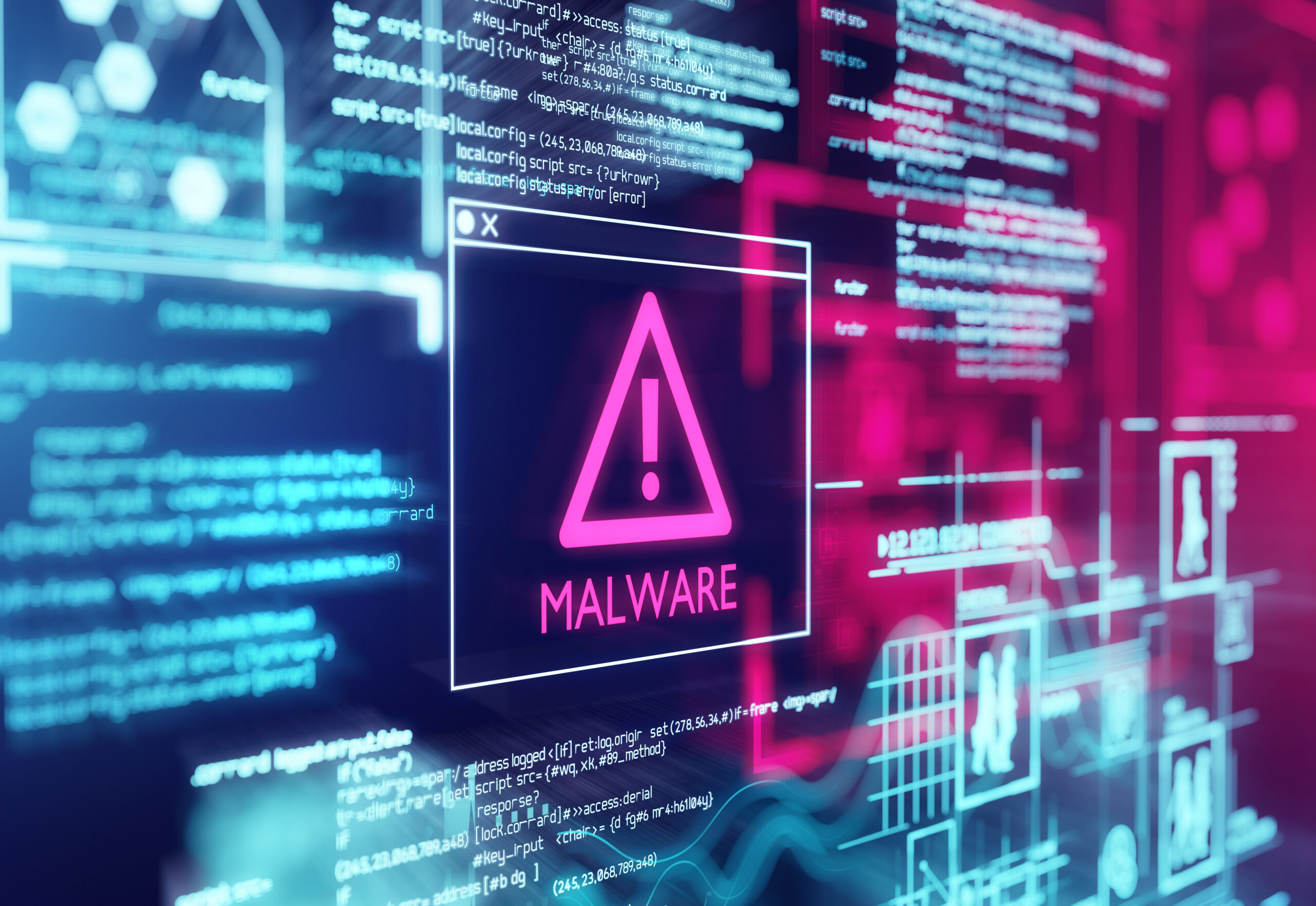
Most of today’s cyberattacks are no longer driven by human hackers — they’re powered by artificial intelligence.
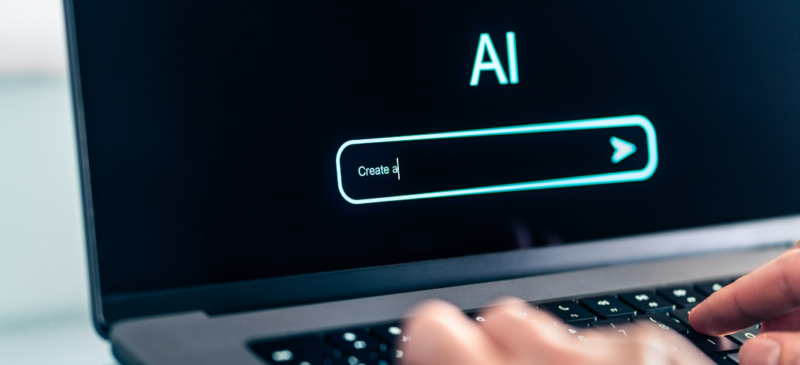
A 2025 study from MIT Sloan found that nearly 80% of ransomware attacks now utilize AI in some capacity. That’s four out of every five incidents. The same technology is also being used to create more convincing phishing campaigns, crack passwords in seconds, bypass CAPTCHA challenges, and even generate deepfake audio and video that mimics real people.
This shift represents a significant evolution in the way cybercrime operates. Attacks are now faster, more precise, and far more scalable than ever before. For small and mid-sized businesses, the risk is significant. While a company must defend every system and endpoint, an attacker using AI only needs to succeed once.
The New Speed of Cyber Threats
AI dramatically increases both the speed and sophistication of cyberattacks. Automated systems can scan for vulnerabilities, adapt to defenses, and exploit weaknesses thousands of times faster than human operators. What once took hours or days now happens in minutes — often before an IT team even knows something is wrong.
Traditional security measures such as antivirus software, manual patching, and annual reviews struggle to keep pace with this new level of automation. Attackers can generate endless variations of malware or phishing messages, constantly evolving to evade detection. This agility gives cybercriminals a major advantage over organizations relying solely on older defensive methods.
How AI Can Strengthen Defenses
Fortunately, AI is also changing how businesses defend themselves. Advanced cybersecurity systems now utilize AI to analyze vast amounts of network data in real-time, identifying unusual behavior and predicting potential attacks before they occur. These systems can automatically isolate infected devices, block suspicious traffic, and alert security teams to patterns humans might miss.
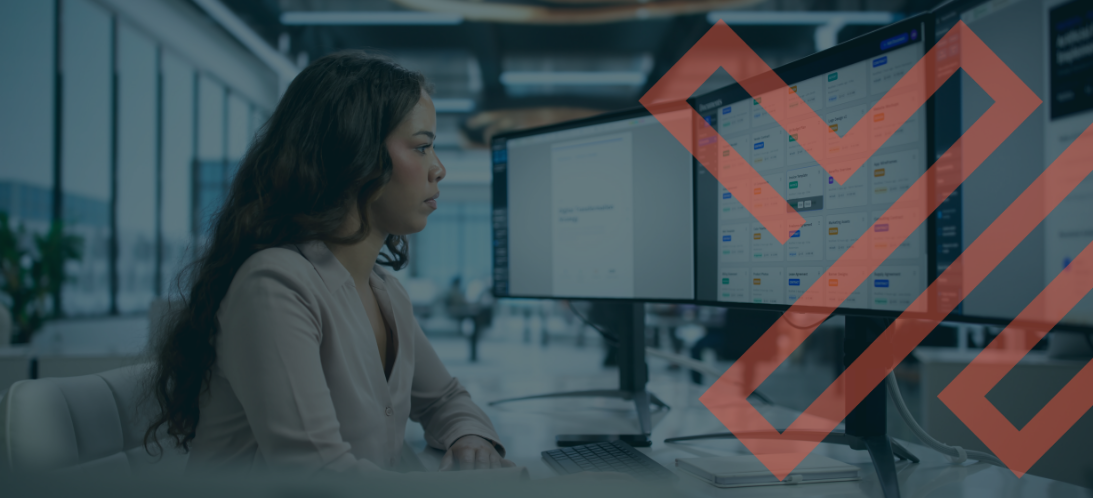
However, technology alone is not enough. A strong defense still relies on people — and awareness is a critical layer of protection. Employees should be trained to recognize phishing attempts, use strong passwords, and report suspicious activity immediately. When combined with AI-driven tools, this human vigilance creates a comprehensive security posture that is both proactive and resilient.
Building a Layered Security Strategy
Defending against AI-powered attacks requires a layered approach. Businesses should begin with strong cybersecurity fundamentals:
- Regular patching and updates to close known vulnerabilities
- Endpoint protection and network monitoring to detect threats in real time
- Multi-factor authentication to prevent unauthorized access
- Data backups stored securely and tested frequently
- Security awareness training to keep employees informed and engaged
Adding AI-powered defenses on top of these measures helps businesses stay ahead of threats rather than simply reacting to them.
The Path Forward
AI-powered cybercrime is not a passing trend — it represents a permanent shift in how attackers operate. As these technologies continue to advance, the gap between automated attacks and manual defenses will only widen. Businesses that take proactive steps today will be far better positioned to protect their data, operations, and reputation tomorrow.
Need help assessing your security readiness? Contact Yeo & Yeo Technology to learn how your organization can stay protected in the era of AI-driven cyberattacks.