You’ve probably invested in good cybersecurity, using strong passwords, firewalls, and the latest software updates to protect your business. But if your employees accidentally leave the “windows” open, all that security goes to waste.
It’s not about blame – it’s about awareness. The truth is that your employees might be your biggest security risk without them even realizing it.
More people are working remotely, and research shows that four out of five employees use their personal phones, tablets, or laptops for work. It makes sense. Why not use the devices they already own?
Here’s the problem: Your employees’ personal devices probably aren’t set up with the same security measures you’d use in the office. Their phones and laptops might use weak passwords, outdated software, or even be connected to unprotected Wi-Fi networks. All of this is a dream scenario for hackers.
And here’s where it gets scary…
Two out of five employees admit to downloading customer data onto their own devices. That’s sensitive data, leaving the safety of your business now at risk of falling into the wrong hands.
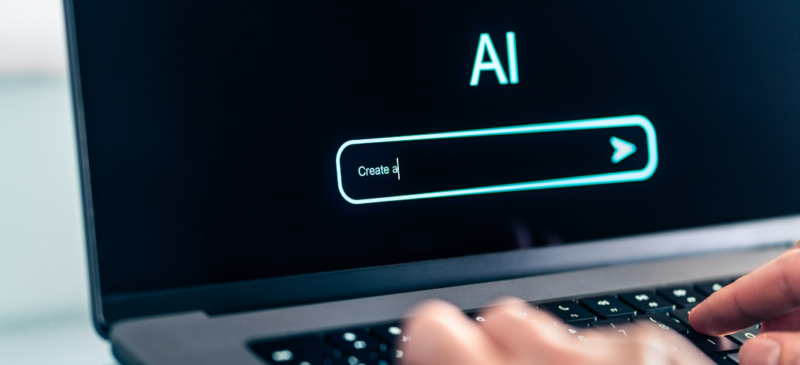
If that’s not enough to worry you, here’s another shocker: More than 65% of employees admit they only follow cybersecurity rules “sometimes” or even “never.” This includes forwarding work emails to their personal accounts, using their phones as Wi-Fi hotspots, or ignoring guidelines about handling data when using AI tools.
Passwords are another issue, with nearly half of employees using the same passwords across different work accounts. Even worse, over a third of employees use the same passwords for both their work AND personal accounts.
Imagine a hacker getting into your employee’s social media account and using the same password to access your business systems. It’s a disaster waiting to happen.
So, what can you do? The key is education.
Start by helping your team understand why cybersecurity is so important. Most people don’t intentionally break the rules – they just don’t realize the risks. Explain that those little habits that seem harmless (like reusing passwords or working on public Wi-Fi) can cause serious damage.
Create security rules that are clear, simple, and easy to follow. For example, you can tell your team to:
- Use a password manager to create a strong, random, and unique password for each of their work accounts
- Only access work systems on secure, approved devices
- Never forward work emails to their personal accounts
Also, ensure your employees are getting regular training sessions to keep cybersecurity at the front of their minds, and don’t forget to celebrate good habits. If someone flags a suspicious email or comes up with a clever way to keep sensitive data safe, be sure to let everyone else on your team know.
Cybersecurity is everyone’s responsibility.
You can turn your employees into your first line of defense instead of your weakest link by giving them the right tools and training. If you’d like help keeping your team updated on the latest security threats, get in touch.
Information used in this article was provided by our partners at MSP Marketing Edge.