AI tools like ChatGPT and Copilot have become indispensable productivity partners. They draft emails, generate reports, and write code. So, when you need a secure password, turning to the same AI assistant feels like a natural shortcut. After all, if it can handle complex communications and technical tasks, surely it can generate a strong 16-character password, right?
The answer is more complicated than you might expect.
Why AI-Generated Passwords Look Strong But Aren’t
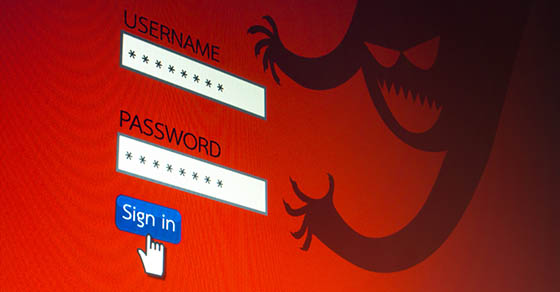
On the surface, AI-generated passwords look impressive. They contain lengthy strings of uppercase and lowercase letters, numbers, and special characters. Plug them into popular online password strength meters, and you’ll see glowing results, sometimes suggesting it would take centuries to crack them.
But appearances are deceiving.
AI tools are powered by large language models (LLMs), which are fundamentally prediction engines. They were trained on vast amounts of text data, learning patterns, structures, and relationships between characters. When you prompt an AI, it doesn’t generate from a blank slate; it predicts what should come next based on learned patterns. This is exactly what makes AI great at producing human-like text, and exactly what makes it a poor choice for password creation.
A truly secure password depends on one essential quality: genuine randomness. Each character must be selected independently, with no predictable pattern. AI, by its very nature, cannot deliver that.
What Researchers Found
According to a recent Reader’s Digest report, AI chatbots asked to generate passwords didn’t produce truly random results at all. Instead, they predicted what “typical” random passwords would look like based on learned patterns. The resulting passwords followed similar structures, and some were outright duplicates. Attackers can even use LLMs to analyze AI-generated passwords for patterns and then use those findings to train their own brute-force software, making AI-generated passwords doubly risky.
Cybersecurity professionals at Cyber Shift Technologies corroborate these findings, noting that researchers measured entropy, a technical measure of unpredictability, and found that AI-generated passwords scored significantly lower than genuinely random passwords of the same length. That makes them more vulnerable to brute-force attacks than they appear to be. Standard password checkers don’t catch this because they only evaluate visible complexity, not underlying randomness.
Even AI Companies Are Sounding the Alarm
Perhaps the most telling signal comes from the AI developers themselves. Newer models, including Gemini 3 Pro, have begun issuing explicit warnings when users request password generation, advising against relying on chat-generated credentials for sensitive accounts. When the companies building these tools warn you not to use them for a specific task, that’s worth taking seriously.
The Right Solution: A Dedicated Password Manager
If AI isn’t the answer, what is? Dedicated password managers with built-in password generators. Unlike AI, these tools are purpose-built for security. Their generators use cryptographic randomness, mathematical processes specifically engineered to produce truly unpredictable results, where each character is selected independently with no hidden patterns.
Beyond generation, password managers offer critical business benefits: secure storage, team-based password sharing, audit trails showing who accessed which credentials, and integration with single sign-on systems. IT administrators can enforce password complexity requirements, mandate regular rotation, and maintain visibility into the organization’s overall security posture.
A Bigger Lesson for Businesses
The password generation issue illustrates a broader principle: not every task is appropriate for AI, even when AI appears capable of performing it. Security-critical functions require careful scrutiny. The key is matching the right tool to the right job. Use AI where it excels, and use purpose-built security tools where precision and true randomness are non-negotiable.
For businesses concerned about current password practices, now is the time for a review. If your organization has been using AI to generate passwords, those credentials may not provide the security they appear to offer. Consider implementing a password rotation schedule and replacing potentially weak passwords with cryptographically random alternatives from a proper password manager.
Employee education matters too. Many workers don’t understand the difference between passwords that look secure and passwords that actually are. Training should cover why randomness matters, how attackers exploit patterns, and how to use password managers effectively. Pair strong password practices with multi-factor authentication for an additional layer of protection.
How Yeo & Yeo Technology Can Help
At Yeo & Yeo Technology, our cybersecurity professionals help businesses make the right decisions about security tools and practices. We can assess your current password management approach, identify vulnerabilities, and implement solutions tailored to your organization’s needs. We also provide training, so your team understands the reasoning behind security best practices, not just the mechanics.
Don’t leave your business security to a tool not designed for the job. Contact Yeo & Yeo Technology today to strengthen your cybersecurity posture and protect what matters most.